What a 20 yd Dumpster Really Holds: Dimensions, Capacity, and Ideal Projects
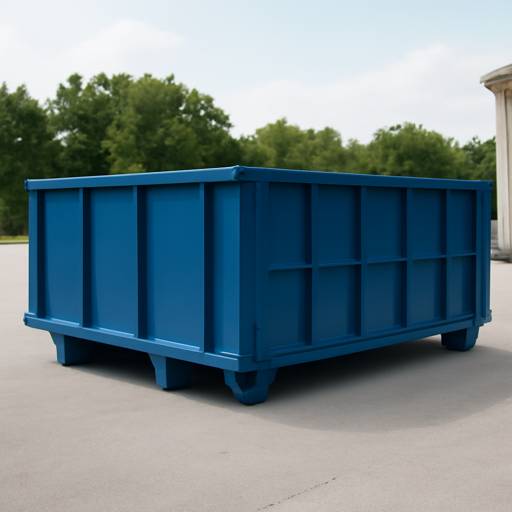
A 20 yd dumpster is the go-to size for homeowners, contractors, and property managers who need a single container that can handle a broad range of debris without overwhelming the jobsite. In the roll-off world, 20 cubic yards strikes the sweet spot between compact footprint and generous capacity. While dimensions vary slightly by provider and manufacturer, many containers in this class measure roughly 22 feet long, 7.5 feet wide, and about 4 to 5 feet tall. That profile fits comfortably in most Missouri driveways and job approaches while offering enough room for bulky items.
Capacity is best understood in practical terms. A 20-yard bin typically equals 6 to 8 standard pickup truck loads of debris. For residential junk removal, it can take on couches, mattresses, dressers, and garage clutter with room to spare. For renovation, it’s commonly used for cabinets, countertops, drywall, wood trim, old fixtures, and flooring pulled from kitchens, baths, basements, and open-plan living areas. For roofing, a well-planned load can often accommodate the tear-off from a mid-sized single-layer asphalt roof, though weights should be verified to avoid overage. For landscaping and storm recovery, branches, brush, fencing, and small stumps fit easily when cut down and stacked tightly.
Because weight limits and included tonnage vary, it’s wise to think not only in volume but also in density. A 20-yard container is typically allotted a few tons of disposal weight in the base price, which is ample for mixed household debris and light construction materials. However, heavy materials—like dirt, rock, concrete, brick, or multiple layers of asphalt shingles—can hit weight caps quickly. In those scenarios, it may be more efficient to split heavy debris into smaller loads or use a different container strategy. Discussing this upfront helps prevent overweight charges and ensures the right fit for specific material streams.
Another strength of the 20 yd dumpster is staging and workflow. Its side walls are low enough for easy hand-loading, yet tall enough to keep debris contained, which makes a big difference on tight urban lots in St. Louis, midtown Kansas City rehabs, or infill projects around Springfield and Columbia. Set on wood planks to protect concrete and kept level with a neatly distributed load, the 20-yard becomes a tidy, efficient hub for jobsite cleanliness and productivity.
Missouri-Friendly Planning: Delivery, Placement, and Permit Essentials
Smart planning starts with site preparation. Before delivery, clear a flat space that provides straight-truck access, ideally with 60 to 80 feet of approach and at least 12 feet of width. Aim for vertical clearance around 14 to 16 feet to account for overhead lines and the tilt of the roll-off bed during drop-off and pickup. To protect asphalt or concrete driveways in residential neighborhoods, many crews lay down plywood or 2×10 runners under the container rails. These small steps minimize scuffs and spreading, especially during hot Missouri summers when pavement softens.
Placement should also respect public right-of-way rules. When a container must sit on a street, sidewalk, or alley in Missouri cities, a permit is commonly required. St. Louis neighborhoods may route permits through the Streets Department; Kansas City typically handles right-of-way via Public Works; Springfield, Columbia, and Jefferson City maintain their own procedures and timelines. In many cases, the permit requires reflective barricades or safety cones at night and may limit how long the bin can remain in place. Whenever possible, placing a dumpster fully on private property avoids permitting altogether, but it’s still smart to confirm HOA rules, driveway load limits, and access windows for gated communities.
Keep sightlines and safety in mind. A properly sited container should not block fire hydrants, mailboxes, or driveway visibility for neighbors. For busy commercial corridors or multifamily complexes in places like Independence or Chesterfield, an early-morning delivery window can reduce traffic conflicts. If a jobsite sits on a slope, request wheel chocks or confirm your provider’s safety practices to prevent rollaways. Weather also factors into planning; after heavy rain, soft soil may not support the container or the delivery truck. A short delay to let the ground firm up can prevent getting stuck or rutting a lawn you just landscaped.
Loading etiquette matters for compliance. Missouri transfer stations and landfills maintain strict regulations on hazardous or special waste. The general rule is to keep paint, oils, solvents, pesticides, batteries, asbestos, medical waste, and large appliances containing refrigerants out of a mixed debris container. Tires, e-waste, and fluorescent lamps also tend to require special handling. If the job includes any of these, schedule a parallel disposal plan that meets local rules. For everything else, load heavier materials first to keep the center of gravity low, break down bulky items to reduce air pockets, and never heap debris above the rim. A level load ensures safe tarping and transport.
Budgeting, Scheduling, and Pro Tips to Maximize the Value of a 20 yd Dumpster
Transparent pricing typically includes three building blocks: a base rental period (often measured in days), an included disposal weight allowance, and transportation (delivery and pickup). Common extras include per-ton overage fees if the load exceeds the included weight, extended rental time beyond the base term, swapping or adding another container mid-project, and contamination charges for restricted materials. Knowing these variables up front allows solid budgeting for projects across Missouri, from a historic home rehab in Lafayette Square to a student rental refresh near Mizzou.
Scheduling is often as easy as selecting a delivery day and confirming a pickup window, but a high-demand season—like spring cleanups after storms or peak summer remodeling—can compress availability. Booking a few days ahead and keeping dates flexible will help you secure the ideal placement slot. On multi-phase jobs, a 20-yard can be scheduled strategically at demolition start, swapped before finish work, and then returned for a final clean sweep. That sequencing keeps trades moving and eliminates off-site dumping trips that chew up labor time.
On cost control, the smartest lever is material management. Sort out any prohibited waste before the dumpster arrives. If a renovation uncovers unexpected hazards—such as lead-painted components or ACMs—pause and follow the proper abatement paths rather than risking a contaminated load. For roofing jobs, coordinate counts and weights carefully; a 20-yard can handle many single-layer asphalt shingle tear-offs, but older or multiple layers add weight fast. As a rough guide, a typical single-layer asphalt roof in the 20- to 30-square range may fit, but verify material type and square count with your provider to match weight allowances. For masonry-heavy removals, consider splitting concrete or brick into smaller, dedicated loads to avoid overweight charges.
Real-world scenarios across Missouri illustrate how the 20-yard roll-off streamlines work. In St. Louis, a two-room remodel—kitchen expansion plus guest bath—generally fills a single 20-yard when cabinets, counters, sink bases, tile, fixtures, drywall, and trim are stacked efficiently. In Kansas City, a late-spring storm cleanup with downed limbs and damaged fencing can be knocked out over a weekend by cutting sections to length and packing the bin densely, saving multiple pickup runs. In Columbia, a landlord turning over a mid-sized duplex can pair one 20-yard with a donation plan for reusable items, hitting both budget and sustainability goals while keeping the property on schedule for new tenants.
Finally, think operationally. Confirm a point of contact on delivery day in case the driver has placement questions. Mark the spot with a cone, chalk, or tape where clearance is tight. Keep the path free of parked cars and ensure gates are unlocked. As the job progresses, pack the container from front to back, stacking flat items—like doors, plywood, and sheetrock—along walls to create a stable “box” and prevent shifting. Close the door fully and secure the latch after each session. When you’re approaching full, call in the pickup rather than risking overflow. These simple steps turn a 20 yd dumpster into a precise tool—saving time, controlling costs, and keeping Missouri jobsites safe and compliant.

Busan environmental lawyer now in Montréal advocating river cleanup tech. Jae-Min breaks down micro-plastic filters, Québécois sugar-shack customs, and deep-work playlist science. He practices cello in metro tunnels for natural reverb.
0 Comments